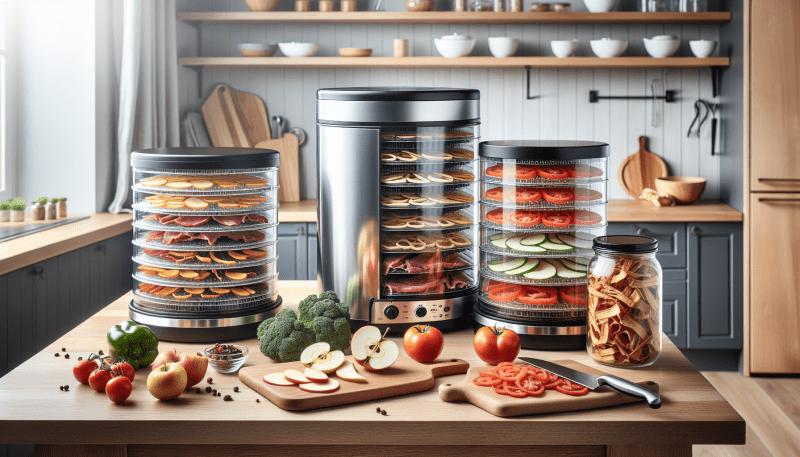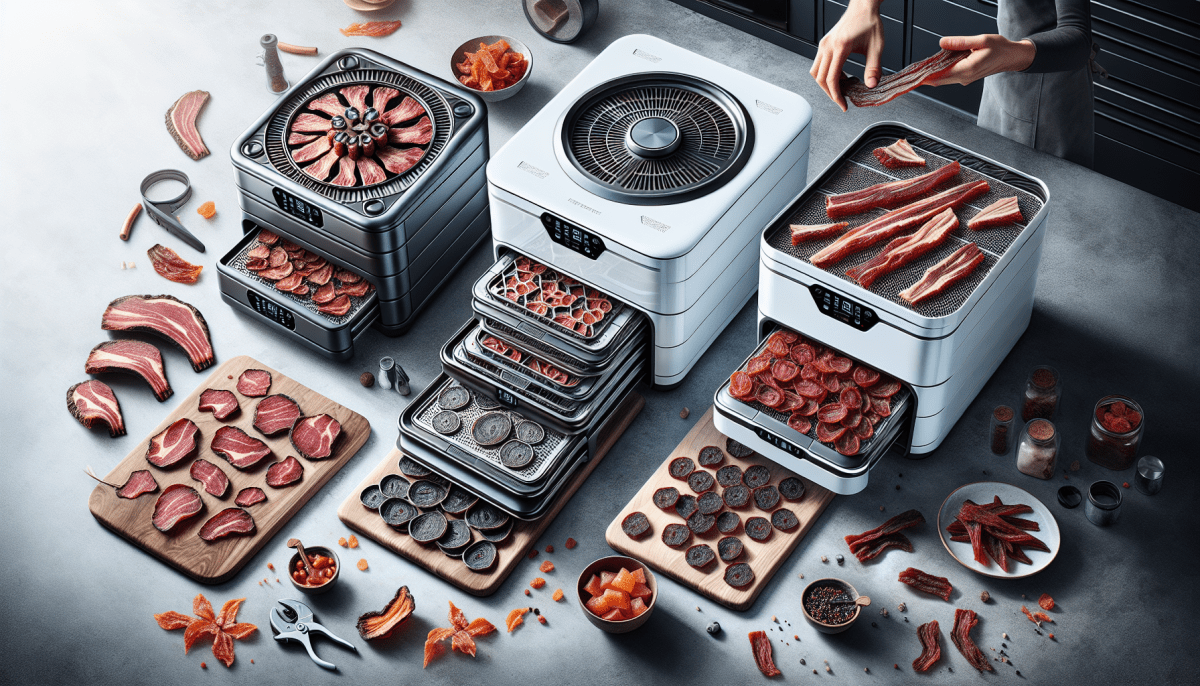
When it comes to making perfect jerky, having the right dehydrator is essential. Not all dehydrators are created equal, and there are several features you should look for to ensure that your jerky turns out delicious every time. One of the most important features to consider is the temperature control. Being able to set the exact temperature allows you to dry your meat safely and efficiently, preventing any harmful bacteria from developing.
Another key feature is airflow. A good dehydrator should have a fan that circulates hot air evenly throughout the unit. This ensures that all pieces of meat dry at the same rate, providing you with jerky that is evenly textured and delicious. Look for models that have horizontal airflow systems, as they tend to provide better results than vertical units.
Size and capacity are also important factors. Depending on how much jerky you plan to make, you’ll want a dehydrator that can accommodate your needs. Some dehydrators come with adjustable shelves, allowing you to maximize space and customize drying according to the size of your meat pieces. This flexibility can greatly enhance your jerky-making experience.
Lastly, ease of cleaning is a feature that should not be overlooked. Dehydrators can get sticky and messy, especially after drying marinated meat. Choose a dehydrator with removable trays and dishwasher-safe components, so you can easily clean up after your jerky-making sessions. This will save you time and effort in maintaining your equipment.
Top Picks for Jerky Lovers
If you're a jerky lover, investing in the right dehydrator can be a game-changer. With so many options on the market, finding one that suits your needs can be a daunting task. We've handpicked some top dehydrators that will help you craft the perfect jerky at home.
First up, the Excalibur 3926TB is a favorite among jerky enthusiasts. Its large 9-tray capacity allows you to dry multiple batches at once, making it perfect for those who like to prepare jerky for a crowd. With its adjustable thermostat and timer, you can easily set the perfect temperature for your favorite meats. The horizontal airflow ensures even drying, so you can say goodbye to chewy or uneven pieces.
Another great option is the Nesco FD-75A Snackmaster Pro. This dehydrator is compact but mighty, featuring a powerful fan for uniform drying. Its expandable design allows you to add up to 12 trays, so you can scale up your jerky production as needed. Plus, the top-mounted fan prevents liquids from dripping into the heating element, keeping your clean-up easy and hassle-free.
For those on a budget, the Hamilton Beach 32100A is a fantastic choice. It offers solid performance without breaking the bank. With its adjustable temperature control and stackable design, you can easily whip up a variety of jerky flavors. Its compact size also makes it easy to store when not in use, making it ideal for smaller kitchens.
How to Make Jerky at Home
Making jerky at home is a fun and rewarding process that allows you to customize flavors to your taste. To start, you'll need to choose your meat. Lean cuts such as beef, turkey, or chicken work best, as they contain less fat, which can spoil. Aim for cuts like flank steak, sirloin, or chicken breasts. Slice your meat into thin strips, ideally about 1/4 inch thick, to ensure even drying.
The next step is marinating your meat. This is where you can unleash your creativity! You can use store-bought marinades or make your own with ingredients like soy sauce, Worcestershire sauce, garlic powder, and black pepper. Mix your chosen ingredients in a bowl, add the meat, and let it marinate in the refrigerator for at least four hours or overnight for more intense flavor.
Once your meat is marinated, it's time to start the dehydrating process. Preheat your dehydrator according to the manufacturer's instructions, typically around 160°F (70°C). Lay the meat strips on the dehydrator trays, making sure they don't overlap to allow for proper air circulation. Dehydrate the meat for about 4 to 8 hours, checking for doneness. The jerky should be firm, but still slightly pliable.
After dehydrating, let your jerky cool before storing it. Place it in airtight containers or vacuum-sealed bags for long-lasting freshness. Homemade jerky can typically be stored in a cool, dry place for up to a month, or longer if kept in the freezer. Enjoy your delicious, homemade jerky as a snack or packed lunch, and feel free to experiment with different flavors and spices for a truly personalized treat!
Care and Maintenance for Dehydrators
Taking care of your dehydrator is essential for keeping it in top shape and ensuring that your jerky turns out perfectly every time. After each use, it’s important to perform a quick cleaning. Start by unplugging the dehydrator and allowing it to cool down completely. Remove the trays and wash them with warm, soapy water. For stubborn residue, you can let them soak for a bit before scrubbing gently.
Pay attention to the base and the fan area of your dehydrator as well. Wipe down these parts with a damp cloth to clear away any dust or food particles that may have accumulated. Avoid using harsh chemicals, as these can damage the unit and affect future food safety. Instead, a simple mixture of vinegar and water can effectively clean and sanitize surfaces without harmful residue.
Another aspect of care involves proper storage. If you don’t plan to use your dehydrator frequently, store it in a cool, dry place. Make sure to keep it covered to prevent dust from settling on it. Always check for any signs of wear and tear, especially on the power cord. If you notice any damage, it's best to handle repairs or replacements promptly to ensure safety.
Finally, refer to your dehydrator's manual for any specific maintenance tips recommended by the manufacturer. Different models may have unique features or requirements, so it's a good idea to familiarize yourself with those details. A little attention to care and maintenance can significantly extend the life of your dehydrator and enhance your jerky-making experience.