Food dehydration is a preservation method that removes moisture from fruits, vegetables, and other foods. By eliminating water content, dehydrators help prevent the growth of bacteria, mold, and yeast, making your food last longer without the need for preservatives. This process locks in flavors, nutrients, and colors, allowing you to enjoy your favorite foods even when they are out of season.
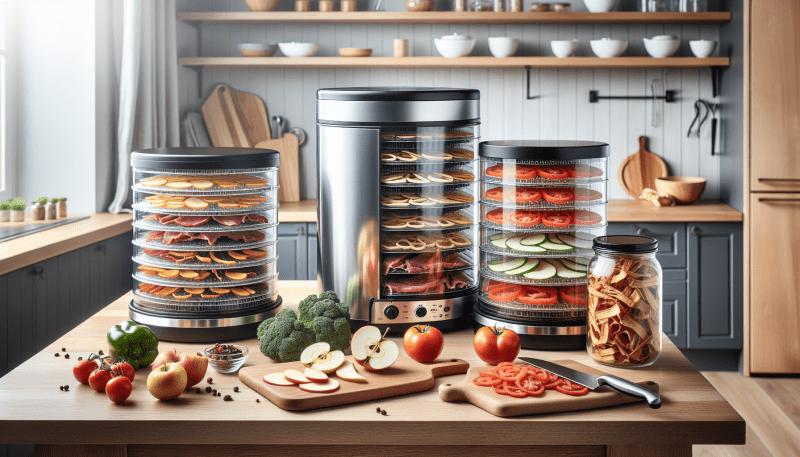
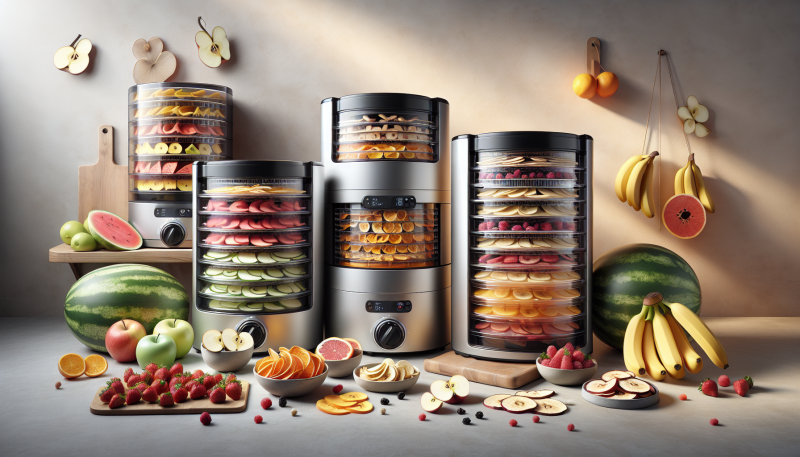
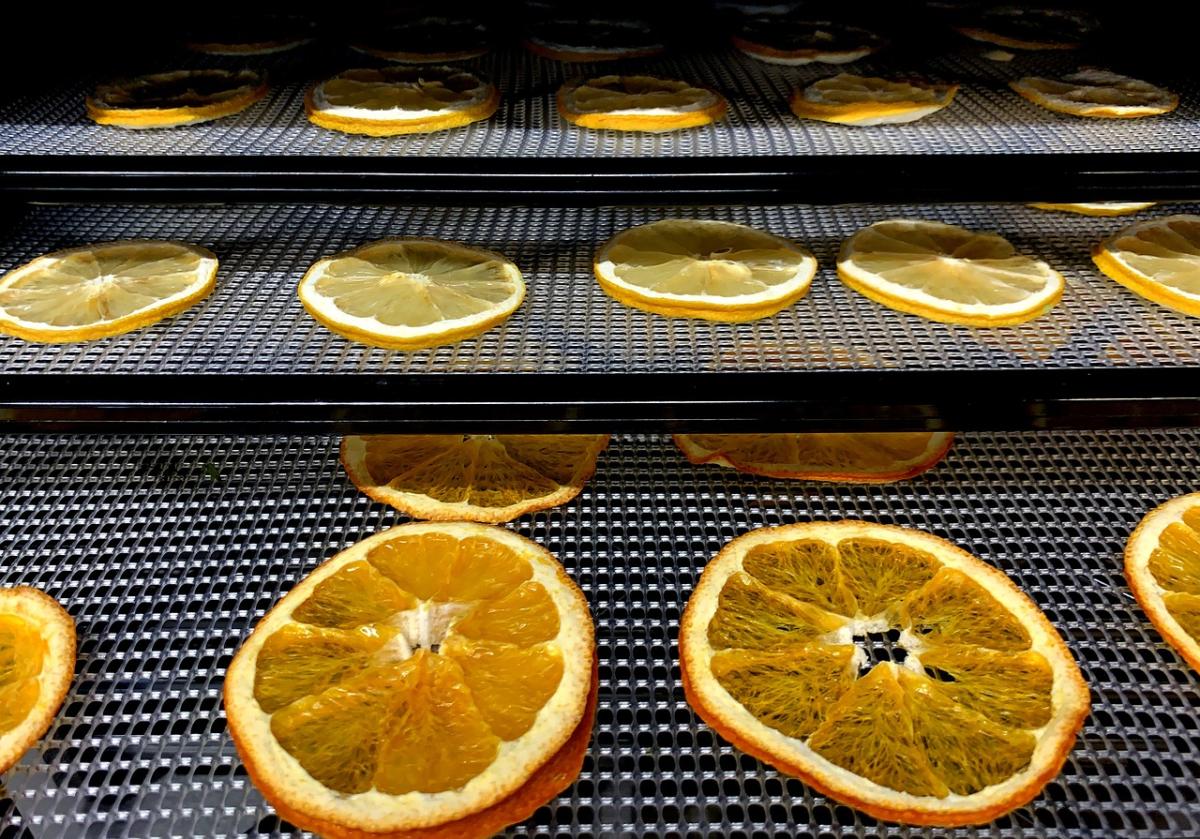
At its core, food dehydration is a simple process. Dehydrators use warm air circulation to gradually lower the moisture levels in food. This gentle heat allows the food to dry evenly, without cooking it. Depending on the type and size of the food being dehydrated, the process can take anywhere from a few hours to an entire day. Popular choices for dehydration include apples, bananas, herbs, and even meats, making it a versatile way to preserve a variety of foods.
One of the key benefits of using a food dehydrator is the ability to create healthy snacks. Unlike store-bought options that can be loaded with added sugars and preservatives, homemade dried fruits and vegetables offer a natural and nutritious alternative. Plus, making your own snacks means you can experiment with different flavors and combinations, tailoring them to your taste preferences and dietary needs.
Another great aspect of food dehydration is its sustainability. By utilizing surplus fruits and vegetables that might otherwise go to waste, you’re not only saving money but also reducing food waste. Dehydrated foods are lightweight and compact, making them perfect for camping trips, hiking, or as emergency food supplies. Ultimately, understanding the basics of food dehydration opens up a world of possibilities for preserving your food and enhancing your meals.
Benefits of Using a Food Dehydrator
Using a food dehydrator can transform the way you preserve and enjoy your food. One of the biggest benefits is the ability to keep your favorite fruits and vegetables fresh for much longer. By removing moisture, dehydrators prevent the growth of bacteria and mold, allowing you to enjoy seasonal produce all year round. Think about it: those delicious summer peaches can be dried and then snacked on come winter!
Another fantastic advantage of food dehydrators is the enhanced flavor of the foods. When fruits, vegetables, and even meats are dehydrated, their flavors intensify. Imagine biting into a dried mango slice that bursts with concentrated sweetness. You can also experiment with spices and herbs, creating your own snack blends that cater to your taste. Dehydrated snacks are not only tasty but a healthier alternative to store-bought options filled with preservatives and added sugars.
Convenience is another great reason to consider using a food dehydrator. Preparing snacks for road trips, camping, or back-to-school lunches becomes a breeze. You can make a big batch of dried fruits, vegetable chips, or jerky and have ready-to-go snacks handy whenever you need them. Plus, dehydrating food is an easy way to reduce food waste; those overripe bananas can easily be turned into delicious banana chips instead of ending up in the trash.
Finally, food dehydrators can also save you money in the long run. By preserving food at home, you can take advantage of bulk purchases or sales on fresh produce. Instead of buying expensive packaged snacks, you can create your own healthy versions for a fraction of the cost. Plus, knowing exactly what ingredients are in your homemade snacks gives you peace of mind about what you're eating.
Best Foods for Dehydrating
When it comes to dehydrating food, some items excel far beyond others. Fruits, vegetables, and even meats can be transformed into delicious, long-lasting snacks. To get the most out of your food dehydrator, it's essential to know which foods work best in this process.
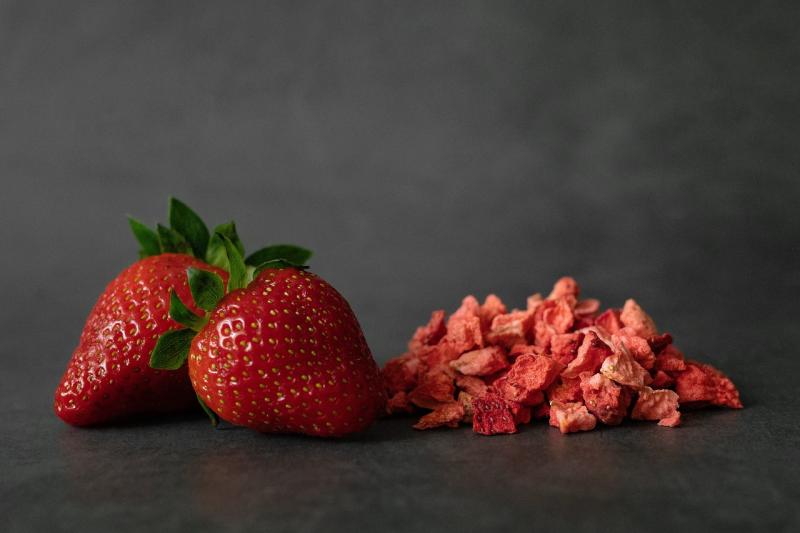
Fruits like apples, bananas, and strawberries are among the top choices for dehydration. Slices of these fruits can quickly dry into chewy, flavorful snacks that retain most of their nutrients. You can enhance their taste by sprinkling a little cinnamon or lemon juice before drying. Dried fruits are perfect for adding to granola, oatmeal, or just enjoying on their own!
Vegetables also make excellent candidates for dehydrating. Carrots, bell peppers, and zucchini are not only nutritious but also retain their flavors when dried. You can use them in soups, stews, or simply snack on them as crispy treats. It's a great way to preserve excess garden harvests or reduce food waste.
Don’t forget about jerky! Lean cuts of meat, such as beef or turkey, can be sliced and marinated. Dehydrating meat creates a protein-packed snack that’s perfect for hiking or road trips. Just ensure you follow safe practices for marinating and drying meat to keep it safe for consumption.
Finally, consider herbs and spices. Dehydrating fresh herbs like basil, thyme, and parsley not only intensifies their flavors but also allows for easy storage. Just crush and store them in a container to have homemade seasoning ready at your fingertips. With these foods, your dehydrator can become a powerful tool for healthy eating and meal prepping!
Tips for Successful Dehydrating
Dehydrating food can be a fun and rewarding process, but there are a few tips to keep in mind to ensure success. First, it's essential to start with fresh, high-quality ingredients. Whether you're dehydrating fruits, vegetables, or herbs, choosing produce that is ripe and free from blemishes will lead to better-tasting results. Washing and properly prepping your food can also enhance the final product.
Next, consider the cutting technique. Uniformly slicing your food ensures even drying, which is crucial for maintaining a consistent texture and flavor. For fruits like apples and pears, thin slices work best, while tougher vegetables such as carrots or potatoes should be chopped a little thicker to prevent them from becoming overly dry. A mandolin slicer can be a handy tool for achieving consistent cuts.
When it comes to drying times and temperatures, patience is key. Each type of food has its own recommended drying time and temperature setting. Always refer to your dehydrator's manual for guidance. It's also wise to check your food periodically throughout the drying process to avoid over-drying, which can lead to a less enjoyable texture. Once your food is done, let it cool before storing, as this helps to prevent moisture buildup in storage containers.
Lastly, proper storage is vital for maintaining the quality of your dehydrated foods. Use airtight containers, such as glass jars or vacuum-sealed bags, to keep out moisture and air. Store your dehydrated goods in a cool, dark place to extend their shelf life. Remember, a little care during the drying and storing process can make all the difference in how your dehydrated foods turn out!