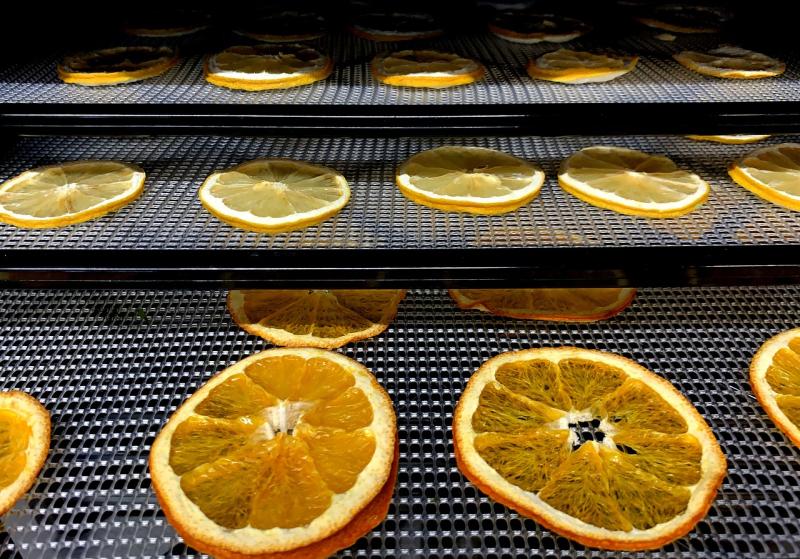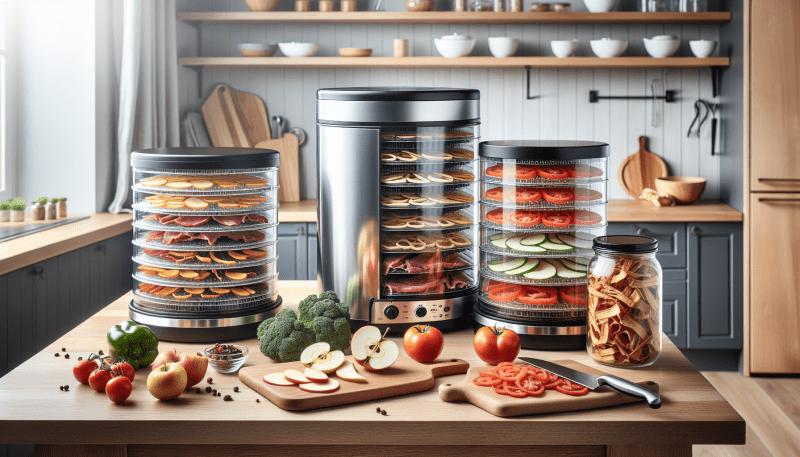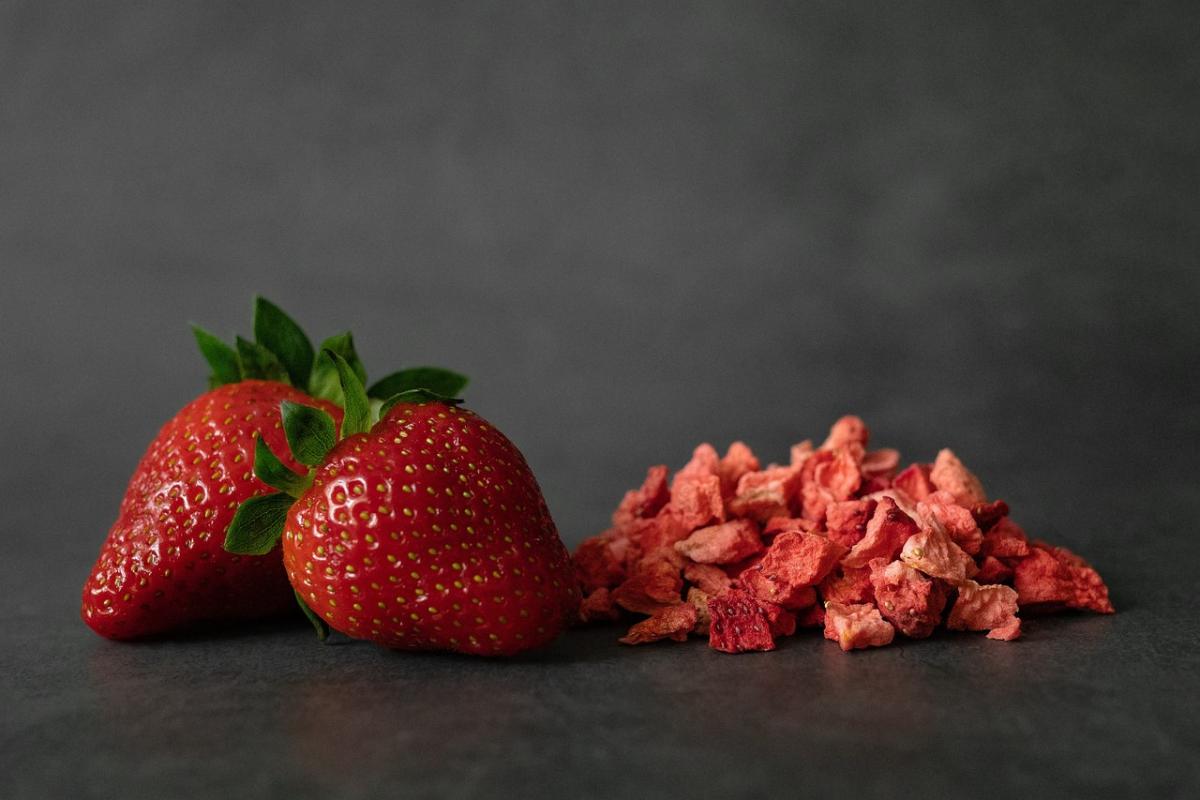
Food dehydrators are a fantastic tool for anyone looking to preserve the flavors and nutrients of their favorite fruits, vegetables, and meats. One of the primary benefits of using a food dehydrator is the ability to create healthy snacks. By drying fruits like apples, bananas, or mangoes, you can enjoy a sweet treat without the added sugars and preservatives found in store-bought options. Dried snacks provide a great energy boost, making them perfect for on-the-go munching.
Another significant advantage of food dehydrators is their efficiency in food preservation. Dehydration removes moisture from food, which helps inhibit the growth of bacteria, yeast, and mold. This means you can store your dehydrated foods for months or even years without sacrificing taste or nutrition. Whether you're preserving the summer harvest or preparing for winter meals, dehydrators are a reliable method to extend the shelf life of your favorite ingredients.
Using a food dehydrator is also a cost-effective way to make use of seasonal produce. When fruits and vegetables are in abundance and often on sale, dehydrating allows you to take advantage of these savings. You can buy fresh produce in bulk, prepare it, and store it for later use. This not only cuts down on food waste but also ensures you have delicious and nutritious options available throughout the year.
Lastly, food dehydrators offer versatility in your culinary creations. You can experiment with drying herbs to enhance your cooking, create homemade jerky, or even prepare your own fruit leathers for a fun twist on traditional snacks. The possibilities are endless, inspiring creativity in the kitchen and allowing you to customize flavors and textures to suit your taste preferences.
Choosing the Right Dehydrator for You
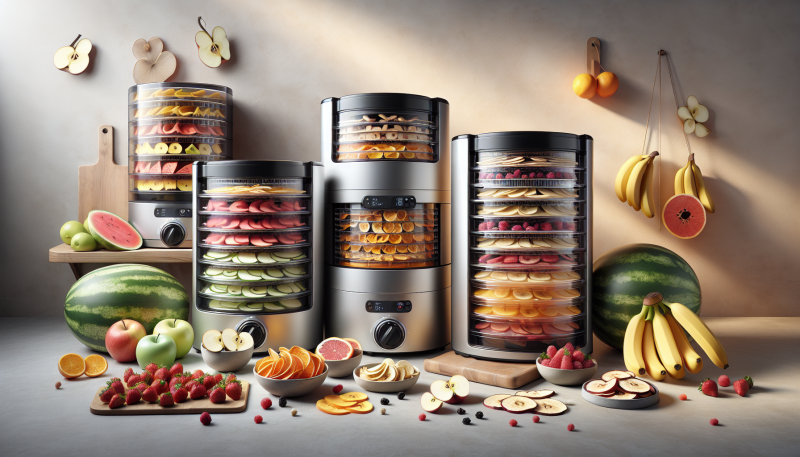
When venturing into the world of food dehydration, choosing the right dehydrator can make all the difference in your experience and results. With so many options available, it’s important to consider a few key factors that align with your specific needs. Whether you're a casual snacker or a dedicated food preserver, there’s a dehydrator out there just for you!
First, think about your dehydrating goals. Are you planning to dry fruits and vegetables for snacks, or do you want to create jerky and dried herbs? Different dehydrators come with features that cater to different types of food. For example, if you want to dehydrate meats, you may need a model that offers higher temperatures and better airflow. If you’re focused on fruits and vegetables, a standard dehydrator with adjustable temperature settings is often sufficient.
Another important aspect to consider is the size and capacity of the dehydrator. If you’re just starting out or have limited kitchen space, a compact model may be the best fit. However, if you plan to dehydrate large batches of food or have a big family, investing in a larger unit with multiple trays will save you time and effort. Always check the dimension and tray capacity to ensure it fits your requirements.
Lastly, think about your budget and the features you find essential. Some dehydrators come with digital controls, timers, and specialized trays, while others are more basic. While you may be tempted to go for the cheapest option, investing in a quality model can lead to better results and durability in the long run. Read reviews and compare brands to find one that balances quality and cost effectively.
Creative Recipes for Dried Foods
Using a food dehydrator opens up a world of possibilities in the kitchen, especially when it comes to creating delicious dried food recipes. One creative way to utilize your dried fruits and vegetables is by transforming them into tasty snacks. For example, try making fruit leather. Simply blend your favorite fruits into a puree, spread it evenly on the dehydrator tray, and dry it until it reaches a chewy consistency. Not only is it a healthy treat, but you can experiment with different flavor combinations to enjoy all year round!
Dried vegetables are fantastic for adding flavor and nutrition to a variety of dishes. A great recipe idea is to make your own vegetable chips. Slice vegetables like zucchini, carrots, or kale thinly, season them with your favorite herbs and spices, and dehydrate them until crispy. These chips make for an excellent snack and can even be crushed and sprinkled on salads or soups for an extra crunch.
If you're looking for a hearty meal, consider creating a dried food stir-fry. Use a mix of your favorite dried vegetables such as bell peppers, mushrooms, and onions. Soak the dried veggies in warm water to rehydrate them, and then stir-fry them with your choice of protein and sauce. This method not only saves time but also allows you to enjoy fresh flavors from your pantry, even in the dead of winter.
Finally, don’t forget about the sweet side! Dried fruits can easily be incorporated into baked goods. Try adding chopped dried apricots or raisins to your cookie or muffin batter for a chewy texture and a burst of natural sweetness. You can also toss dried fruits into your morning oatmeal or yogurt for an added nutritional boost. The versatility of dried foods means you can get creative, leading to tasty results every time!
Tips for Perfectly Dehydrated Ingredients
Dehydrating your favorite fruits, vegetables, and herbs can be a fun and rewarding process, but there are some tips to keep in mind for perfectly dried ingredients. First, ensure you start with fresh produce. Choose ripe, blemish-free items for the best flavor and texture. Wash them thoroughly and cut them into uniform sizes so they dehydrate evenly. For fruits, slicing them into even, thin pieces helps them dry faster and more consistently.
Next, consider blanching your vegetables before dehydrating them. This short cooking process can help preserve color, flavor, and nutrients. Blanching also removes some of the enzymes that can lead to spoilage, ensuring your dehydrated veggies taste great long after processing. Make sure to follow the recommended blanching times for specific vegetables to get the best results.
When it comes to seasoning, have fun experimenting! Lightly coating fruits in lemon juice can enhance their flavor and color. For veggies, use a sprinkle of salt or your favorite spices for a kick. Just remember that a little goes a long way—too much seasoning can overpower the natural taste of the ingredients.
Lastly, pay attention to your dehydrator settings and monitor the drying process. Different foods require different temperatures and drying times. Most fruits dehydrate well at around 135°F, while vegetables often do better at 125°F. Keep checking your food until it’s completely dry yet still retains some flexibility. If you notice any moisture, give them additional drying time to ensure they store well.